Ethereum and Solana represent two contrasting approaches to building smart contract blockchains, with Ethereum emphasizing security and decentralization and Solana prioritizing raw performance and low-cost transactions. Understanding how they differ in architecture, consensus, performance, and security helps developers, users, and investors choose the right ecosystem for their goals.
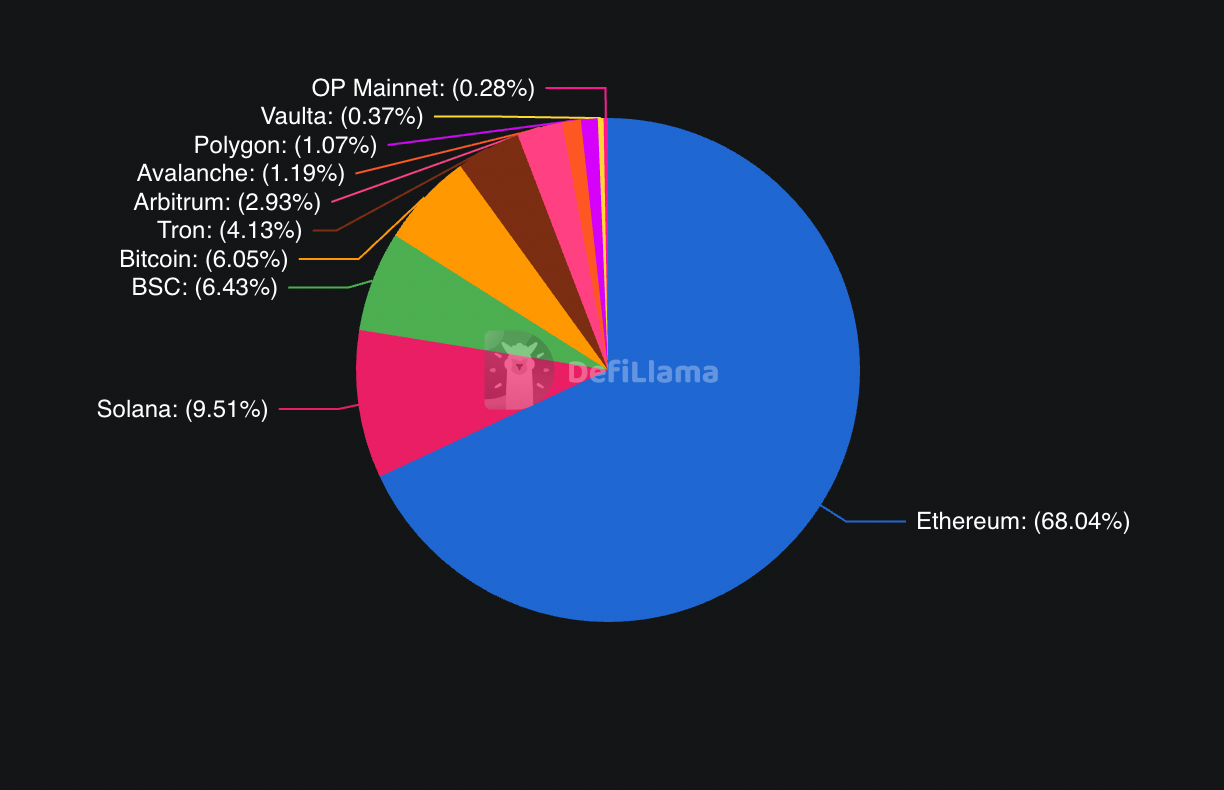
Ethereum and Solana are among the most influential general-purpose blockchains, each hosting thousands of applications and significant economic activity. While both support smart contracts and use proof-of-stake, their design philosophies diverge sharply, leading to different trade-offs in speed, cost, and robustness. This article compares their core architecture, consensus mechanisms, performance, scalability, and security characteristics.
Background on Ethereum
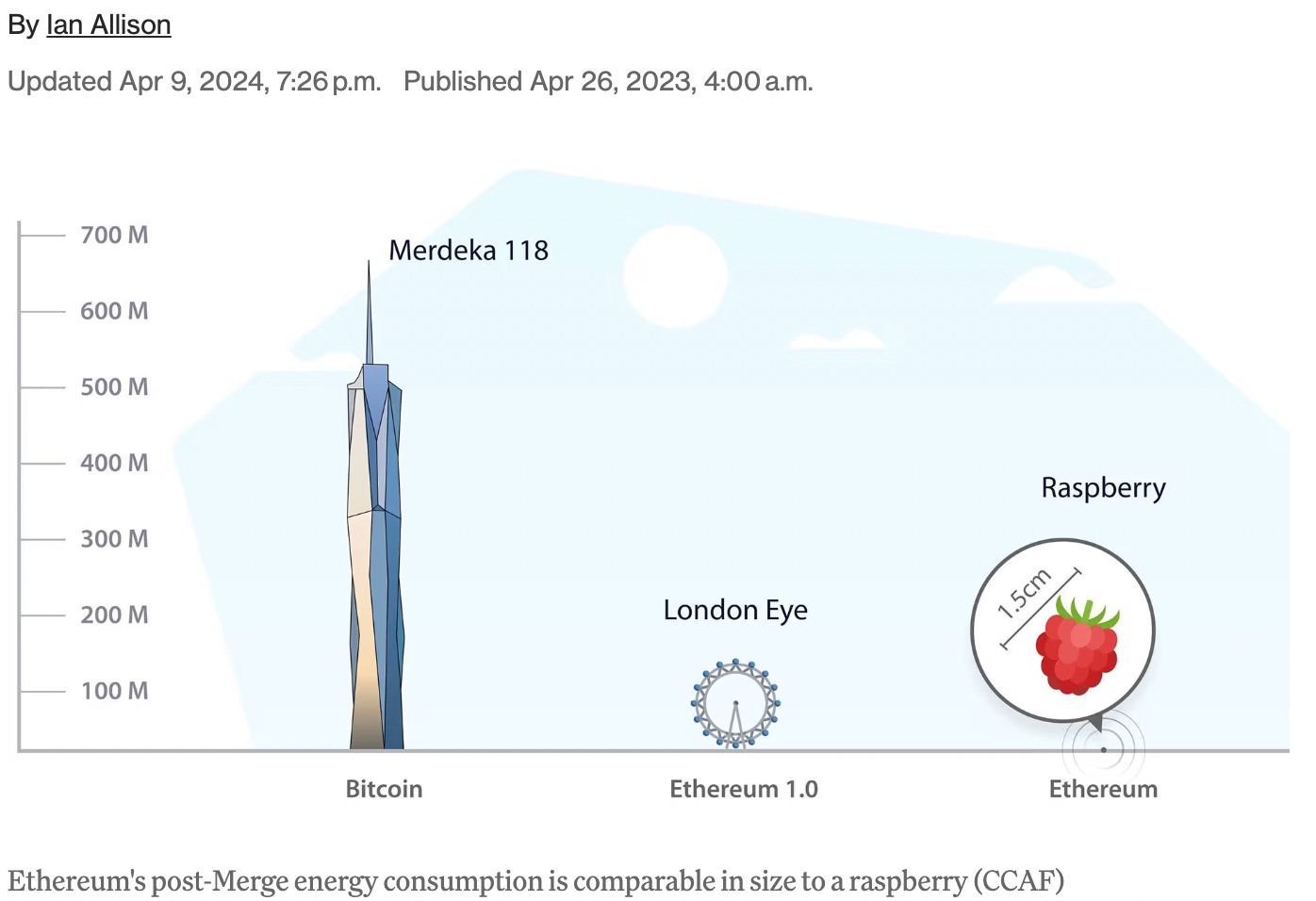
Launched in 2015, Ethereum introduced a programmable blockchain where developers can deploy smart contracts to power decentralized applications (dApps) across finance, gaming, identity, and more. Over time, Ethereum has grown into the largest smart contract ecosystem, becoming a base layer for DeFi, NFTs, and many institutional blockchain experiments. In 2022, Ethereum transitioned from proof-of-work to proof-of-stake, drastically reducing energy consumption and laying the foundation for a long-term scalability roadmap (1).
Ethereum’s culture and roadmap prioritize decentralization, security, and censorship resistance, even at the cost of higher fees and lower base-layer throughput. As a result, Ethereum increasingly relies on a modular design, where the main chain acts as a secure settlement layer while separate networks (L2’s) handle scaling (2).
Background on Solana
Solana launched its mainnet in 2020 with the explicit goal of delivering a high-throughput, low-latency blockchain suitable for mass-market applications. Its design targets thousands of transactions per second and near-instant confirmation, enabling use cases such as payments, trading, and consumer apps that would be prohibitively expensive or slow on many legacy chains. Since launch, Solana has attracted a growing ecosystem of DeFi, Memecoins, and consumer-facing applications that depend on low fees and real-time responsiveness (3).
Solana’s philosophy focuses on maximizing performance at the base layer by integrating advanced optimizations directly into the core protocol. This choice delivers strong user experience in terms of cost and speed, but it also introduces concerns about hardware requirements, validator concentration, and resilience during network stress.
Consensus and Core Mechanisms
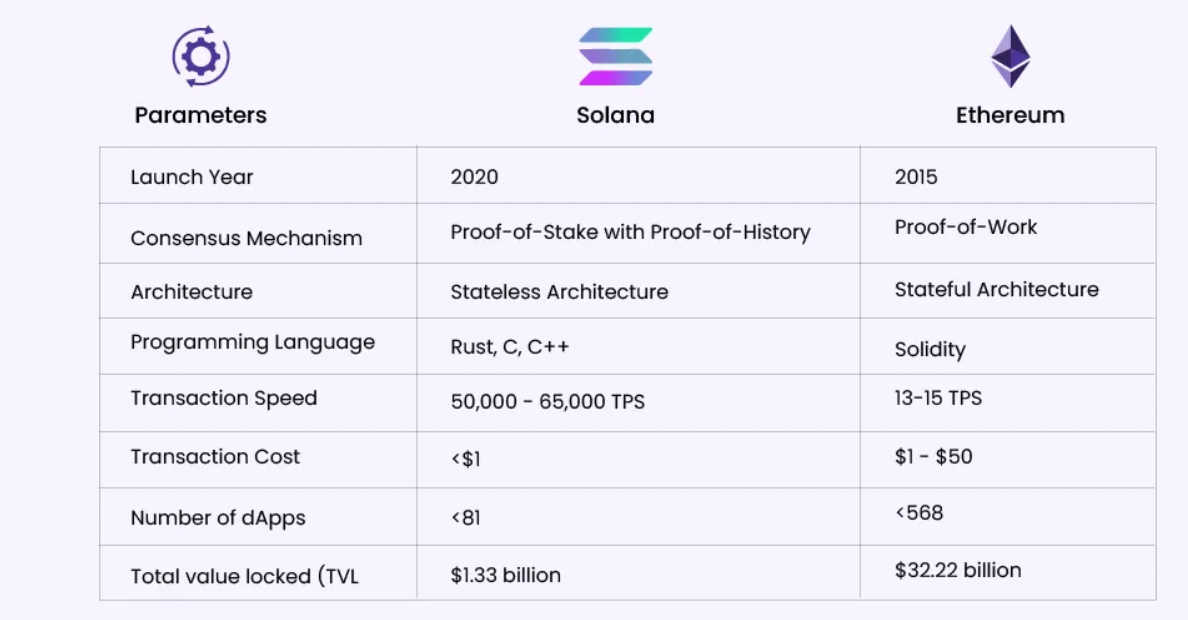
Both Ethereum and Solana use proof-of-stake to secure their networks, but they implement it in different ways and pair it with distinct supporting technologies. Ethereum’s current design requires validators to stake ETH, participate in block proposal and attestation, and follow a fork-choice rule that emphasizes safety and finality over raw speed. This approach, refined through the “Merge” and subsequent upgrades, aims to provide high security and robust economic incentives for honest participation.
Solana operates a hybrid model that combines proof-of-stake with a mechanism called Proof of History (PoH), along with a consensus protocol often described in terms of Tower BFT. Proof of History functions as a cryptographic clock, establishing a verifiable order of events before they are processed by validators, which reduces coordination overhead. By pairing PoH with a Byzantine fault tolerant consensus, Solana can finalize blocks quickly and support parallel transaction processing, giving it a scalability advantage at the protocol level (4).
Performance: Speed, Throughput, and Fees
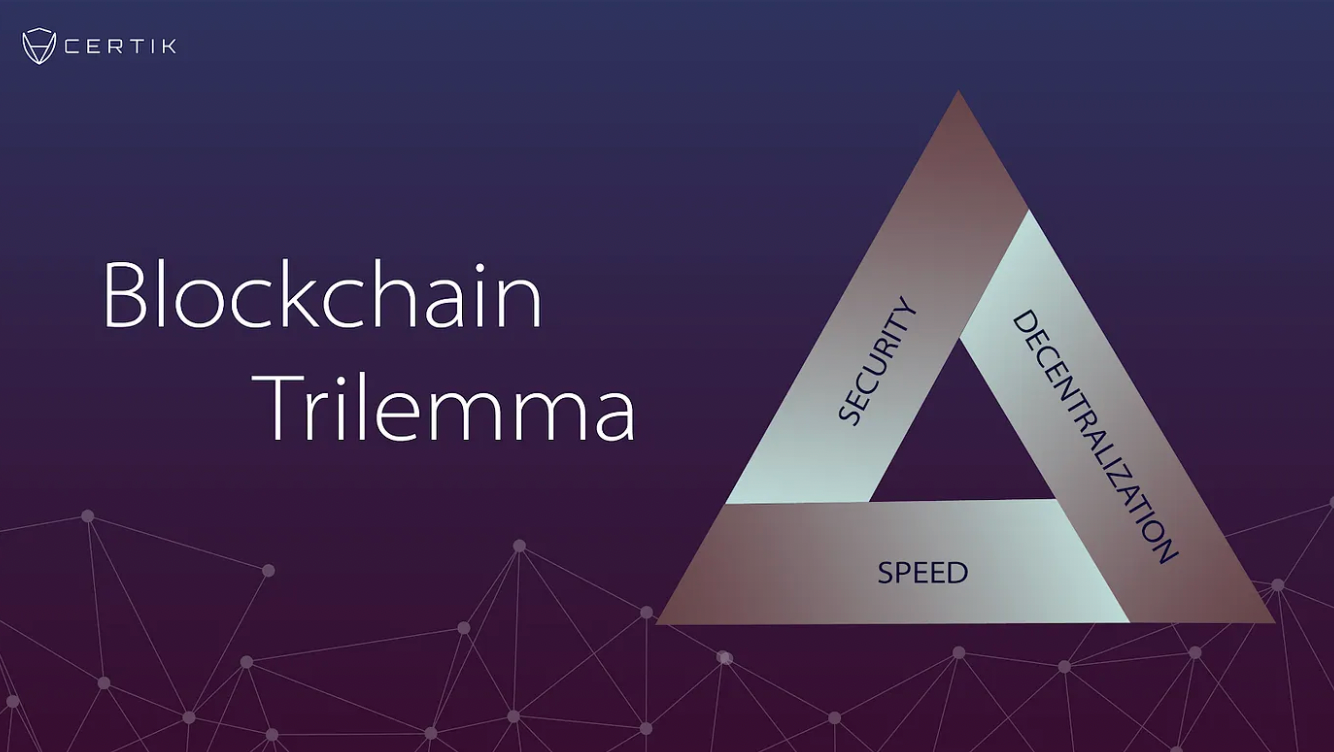
Ethereum’s base layer processes on the order of tens of transactions per second, often quoted in the 15–30 TPS range, which can lead to congestion and higher fees during peak demand (5). To address this, many users and dApps migrate activity to layer-2 networks that can collectively push effective throughput much higher while still inheriting Ethereum’s security through periodic settlement. Even so, transactions on Ethereum mainnet can be relatively expensive, sometimes costing several dollars or more in busy periods.
Solana was designed for much higher throughput and routinely reports thousands of transactions per second in practice, with theoretical capacities substantially above that benchmark. This high throughput, combined with short block times, allows for very low transaction fees that often remain far below a cent, even during heavy usage. As a result, Solana can support high-frequency activities such as order-book trading, microtransactions, and consumer interactions that would be impractical at typical Ethereum mainnet fee levels (6).
Security, Reliability, and Network History
Ethereum’s long operational history, large validator set, and conservative upgrade process contribute to its reputation as a highly secure and reliable base layer. The ecosystem’s emphasis on formal audits, mature tooling, and robust client diversity further reinforces its suitability for high-value applications and institutional usage. Although Ethereum has faced its share of smart contract exploits at the application layer, the core protocol is widely regarded as battle-tested (7).
Solana has demonstrated that high throughput is achievable in practice, but its network has periodically experienced outages and instability during periods of stress or complex upgrades. These incidents have prompted improvements in the protocol and validator software, yet they remain part of the risk profile developers and users must consider. Solana’s smaller validator set and higher hardware requirements also factor into security discussions, since failures or attacks affecting key operators can have outsized impact (8).
Where To Buy ETH & SOL
If you are ready to put these differences into practice, you can buy ETH or SOL in minutes on Netcoins, a regulated Canadian crypto platform that supports fast funding and easy trading.
Visit Netcoins, create your account, and start building your position in Ethereum, Solana, or both today to align your portfolio with the ecosystem that best matches your goals.
Future Outlook
Ethereum’s future centers on continuing to evolve its modular ecosystem, with improvements to data availability and rollup infrastructure expected to lower costs and improve user experience over time. As tooling and infrastructure on layer-2 networks mature, many users may interact with Ethereum primarily through these higher-speed environments while still benefiting from mainnet security. This trajectory reinforces Ethereum’s role as a settlement hub for a sprawling multi-chain and multi-rollup universe.
Solana’s roadmap focuses on further boosting stability, improving validator diversity, and enhancing performance within its monolithic design. If the network continues to harden while maintaining low fees and high throughput, it may cement its place as a leading platform for mainstream, consumer-oriented applications (9). In practice, both ecosystems are likely to coexist, each serving distinct use cases aligned with their respective strengths in security versus performance.
References
- Solana vs. Ethereum: Pros, Cons, and Key Differences
- Solana vs Ethereum: Everything you need to know
- Ethereum vs Solana: A Battle for Smart-Contract Supremacy
- Solana vs. Ethereum: Key Differences Explained
- Ethereum vs Solana: A Comprehensive Comparison 2024
- Is Solana Better Than Ethereum | 2025 Blockchain …
- EVM to SVM: Consensus – Solana Docs
- Solana's transaction network: analysis, insights, and …
- Solana vs Ethereum: which is the best blockchain?

About Netcoins
Established in 2014 in Vancouver, British Columbia, Netcoins is a registered Restricted Dealer with the provincial securities commissions and a registered Money Services Business (MSB) with FINTRAC. Netcoins is owned by Surge Digital Inc. (formerly BIGG Digital Assets Inc.), a publicly traded company listed on the TSX Venture Exchange (TSXV: SRGE), and complies with applicable public company regulatory.
The information provided in the blog posts on this platform is for educational purposes only. It is not intended to be financial advice or a recommendation to buy, sell, or hold any cryptocurrency. Always do your own research and consult with a professional financial advisor before making any investment decisions. Cryptocurrency investments carry a high degree of risk, including the risk of total loss. The blog posts on this platform are not investment advice and do not guarantee any returns. Any action you take based on the information on our platform is strictly at your own risk. The content of our blog posts reflects the authors’ opinions based on their personal experiences and research. However, the rapidly changing and volatile nature of the cryptocurrency market means that the information and opinions presented may quickly become outdated or irrelevant. Always verify the current state of the market before making any decisions.